The brake system is one of the most critical safety components of any vehicle, responsible for slowing or stopping the vehicle when needed. Composed of various components including brake pads, rotors, calipers, and brake fluid, the brake system operates under a wide range of conditions, including different weather patterns. As a responsible driver, you should be informed on how weather affects the brake system. That way, you can anticipate potential issues and maintain optimal brake performance year-round.
1. Heat and Cold Extremes
Extreme temperatures, whether hot or cold, can have a significant impact on the performance of your vehicle's brakes. In hot weather, prolonged braking or driving in stop-and-go traffic can lead to brake fade, where the brake pads and rotors become overheated and lose their effectiveness.
Conversely, in cold weather, the brake fluid may thicken, resulting in decreased brake responsiveness and increased stopping distances. It's essential to monitor brake performance in extreme temperatures and address any issues promptly to ensure safe driving.
2. Rain and Wet Conditions
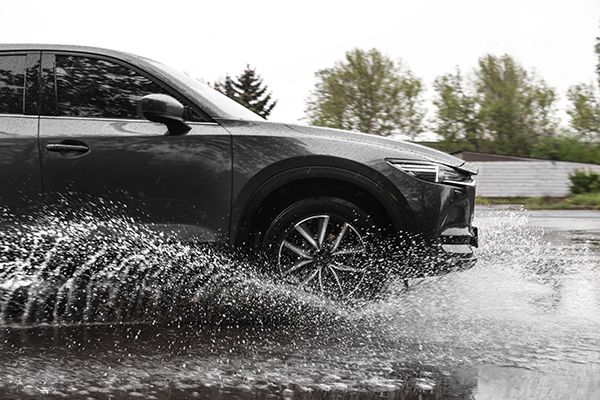
Wet weather conditions, such as rain or snow, can also affect the performance of the brake system. When driving on wet roads, water can accumulate on the brake rotors, causing temporary loss of friction between the brake pads and rotors. This phenomenon, known as brake fade, can result in reduced braking effectiveness and longer stopping distances.
Additionally, wet weather conditions can accelerate brake pad and rotor wear, leading to premature replacement. Drivers should exercise caution and allow for increased stopping distances when driving in wet conditions.
3. Corrosive Effects of Salt and Road Debris
In regions where road salt is used to melt ice and snow during the winter months, the brake system is exposed to corrosive substances that can accelerate brake component deterioration. Road salt can cause corrosion and rust on brake calipers, rotors, and brake lines, compromising their structural integrity and leading to brake failure if left unchecked. Whereas, road debris such as dirt, gravel, and sand can become lodged in the brake system, causing premature wear and decreased performance. Regular cleaning and maintenance of the brake system are essential to prolong the lifespan of brake components.
4. Humidity and Moisture Exposure
High humidity levels can also impact the performance of the brake system by promoting moisture absorption in the brake fluid. Moisture in the brake fluid can lead to brake fluid contamination and reduced boiling point, increasing the risk of brake fade and brake fluid vaporization under heavy braking. It's crucial to regularly check the condition of the brake fluid and flush the brake system as recommended by the vehicle manufacturer.
To maintain optimal brake performance in all types of weather, drivers should adhere to regular brake maintenance schedules and monitor brake performance closely. This includes checking brake fluid levels, inspecting brake pads and rotors for wear, and ensuring proper brake system operation. Additionally, drivers should adjust their driving behavior and allow for increased stopping distances in adverse weather conditions to compensate for reduced brake effectiveness.
When combining regular brake maintenance with attentive driving habits, you are on your way to the safest ride, no matter the weather. For all your brake service needs, turn to the auto repair specialists at Autotrends .